
Get Involved in the Fight for Fair Maps




What's the Case?
-
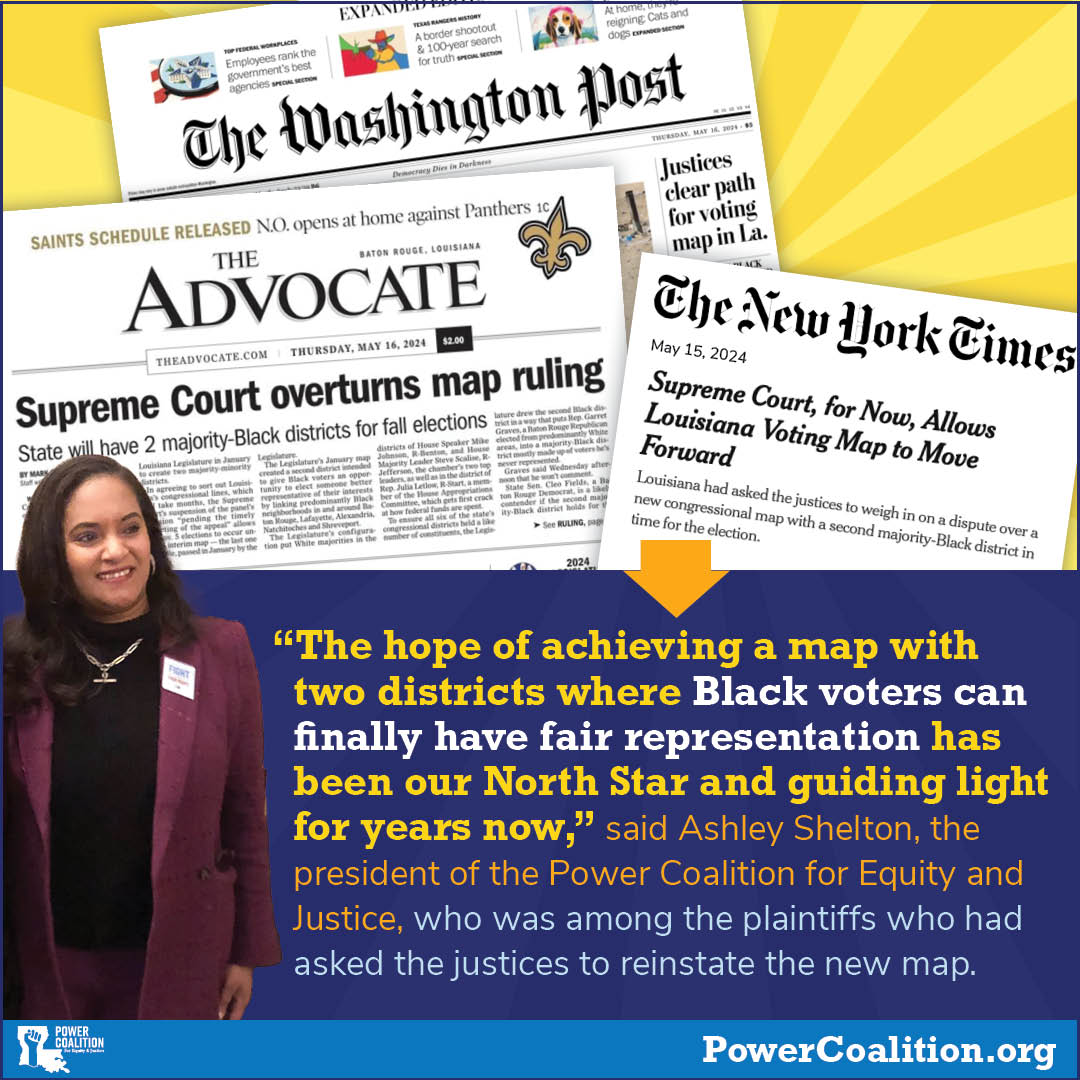
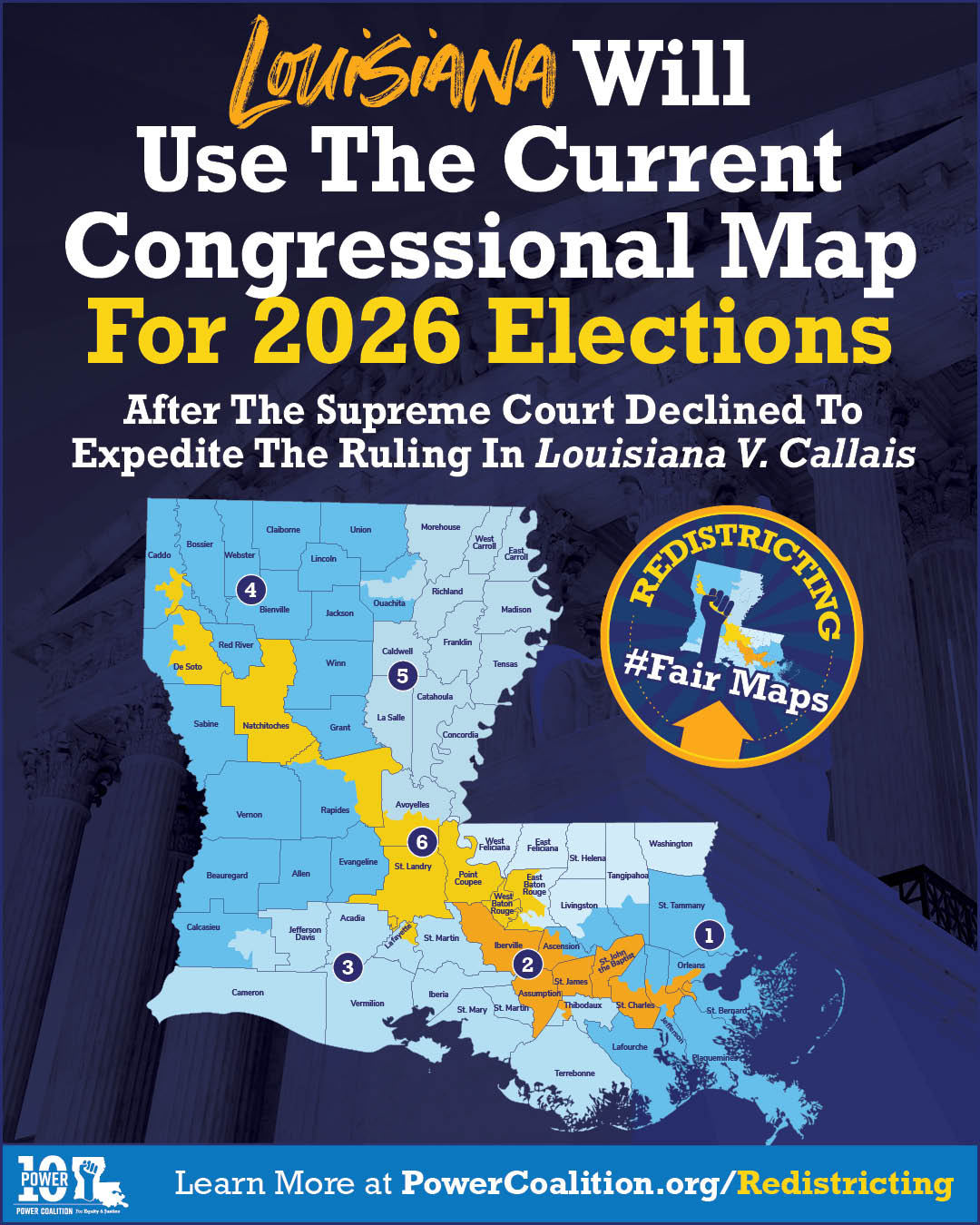
Black Louisianians, who make up one-third of the state’s population, organized, legislated, and litigated for years for the promise of a fair and representative congressional map.
-
Finally, they won this fight and achieved a map with two districts where Black voters had a real opportunity to elect their candidates of choice
-
Now, opponents of Louisiana’s congressional map — and the State itself — are trying to contort a case challenging that map into an outright attack on the VRA.
-
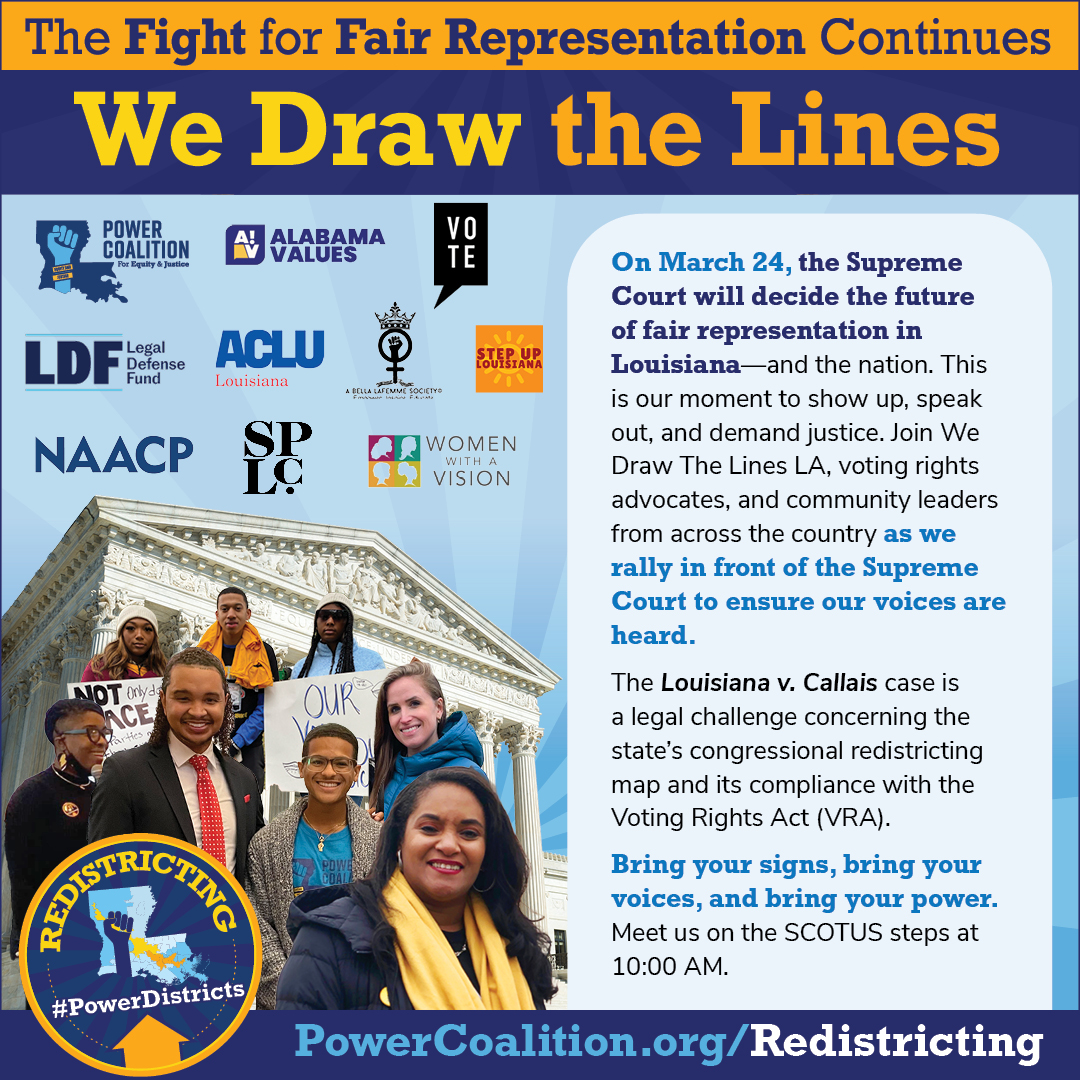
SCOTUS heard arguments in March 2025 and has now ordered re-arguments for October 15, 2025, specifically to address the question of whether the “intentional creation of a second majority-minority congressional district violates the Fourteenth or Fifteenth Amendments.”
Main Takeaways
-
Representation is Citizenship. If Black voters cannot elect candidates of choice, then representation is incomplete — and democracy is weakened.
-
60 Years Later, Still Fighting. On the 60th anniversary of the Voting Rights Act, the very protections people died for remain under attack. We cannot let history repeat itself.
-
Protect the Promise. The 14th and 15th Amendments were written to defend the rights of formerly enslaved people and their descendants. They must not be weaponized against these very communities.
-
Fighting for Fair Maps. This is not about partisanship — it’s about fairness, equality, and rules that everyone can trust.
Why It Matters
-
Section 2 of the VRA is at stake. It was designed to stop vote dilution and ensure communities of color can elect representatives of their choice. Weakening it would strip away one of the last remaining protections of the VRA.
-
The Constitution is being flipped. The 14th and 15th Amendments were written to protect Black voters after the Civil War. Now, they’re being reinterpreted to protect those already in power and undermine equal representation.
-
Louisiana sets the precedent. A ruling against Black voters could open the door for states nationwide to eliminate majority-minority districts, dismantling decades of civil rights progress.
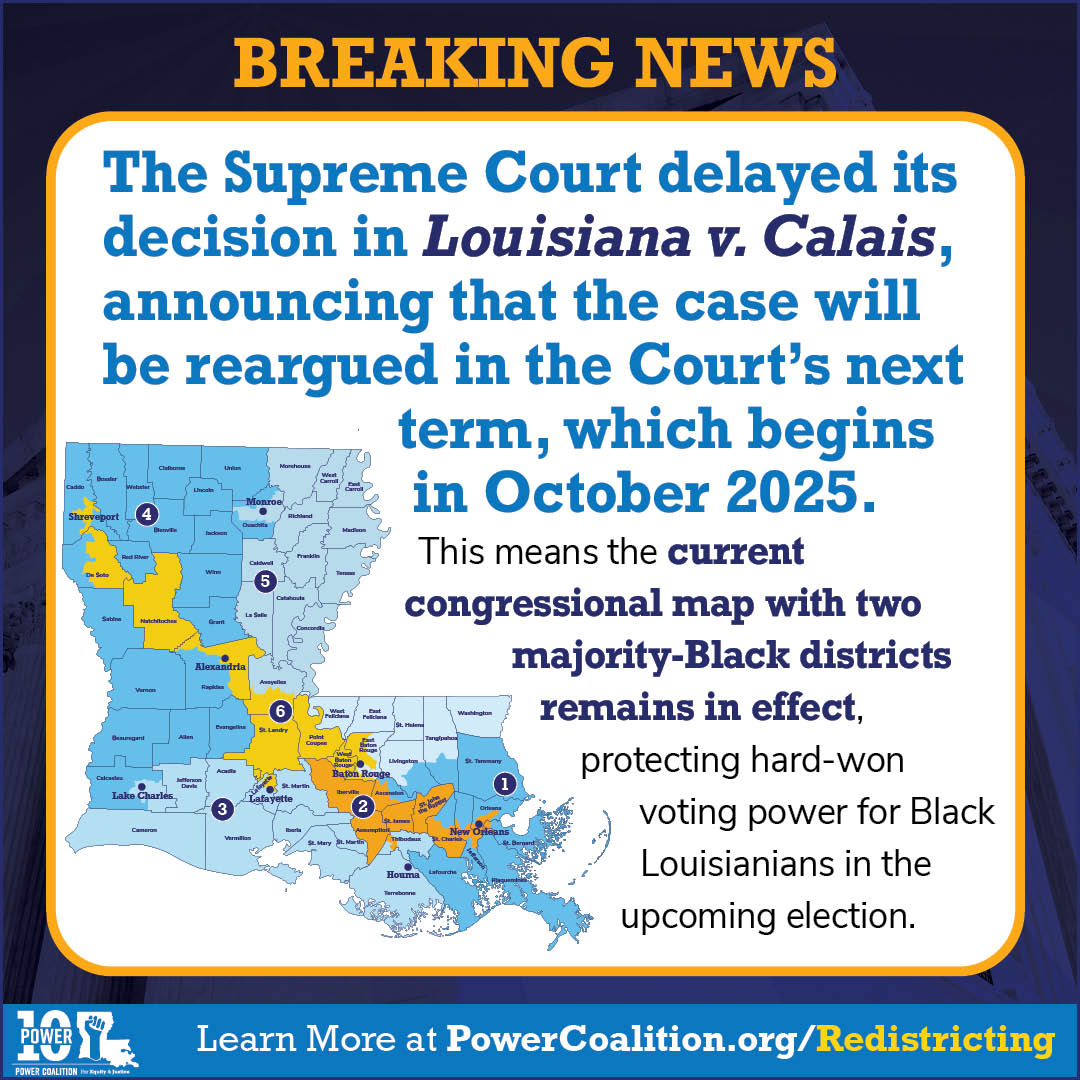

- Contiguity: Every district has to remain connected–they can’t “jump” from one place to another.
- Compactness: With few exceptions, districts shouldn’t be drawn in extremely odd shapes.
- Communities of Interest:This one can be very subjective, and is the most controversial. Generally, districts should try to keep populations that share interests--e.g., fishing communities--together as much as possible.

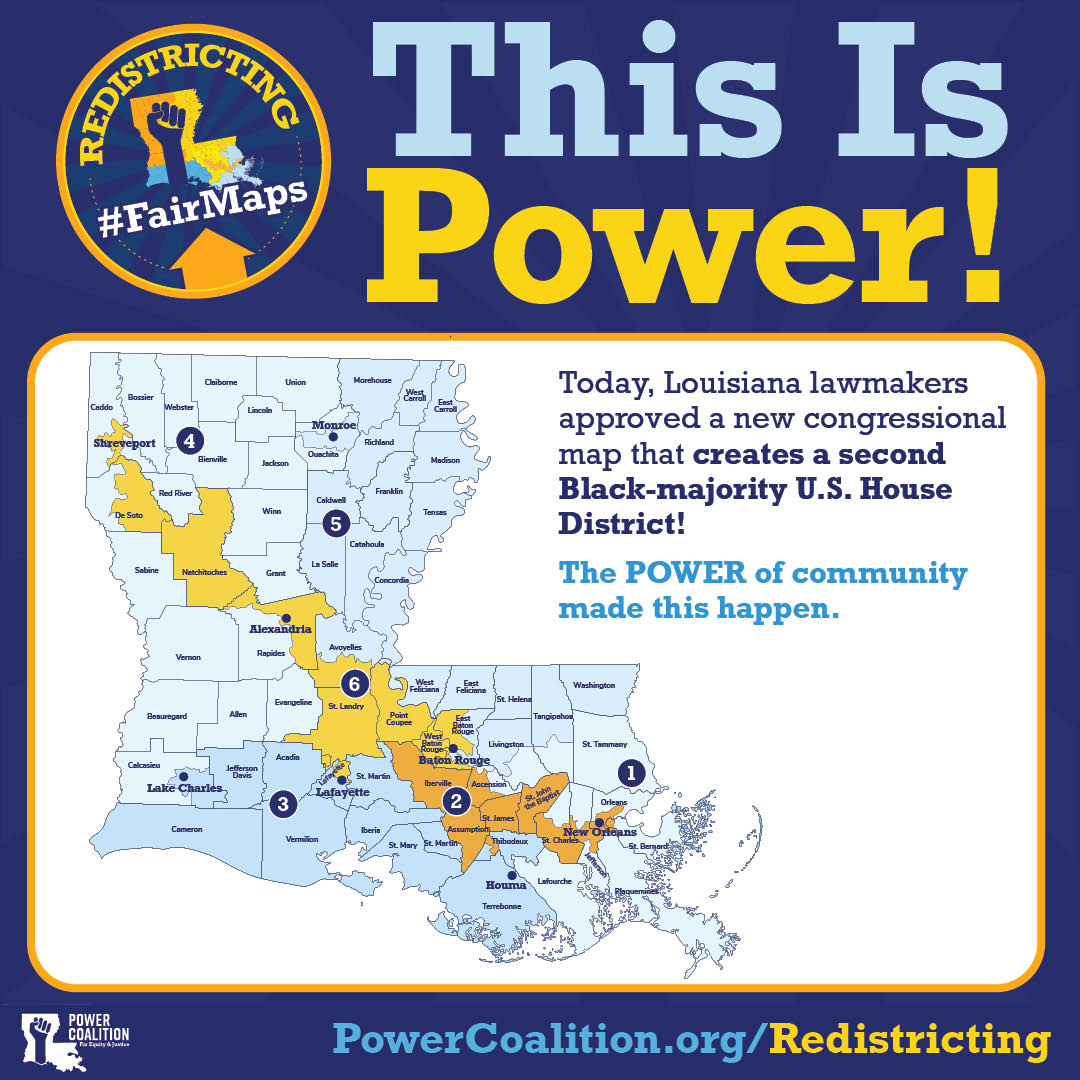
1

2
3
4
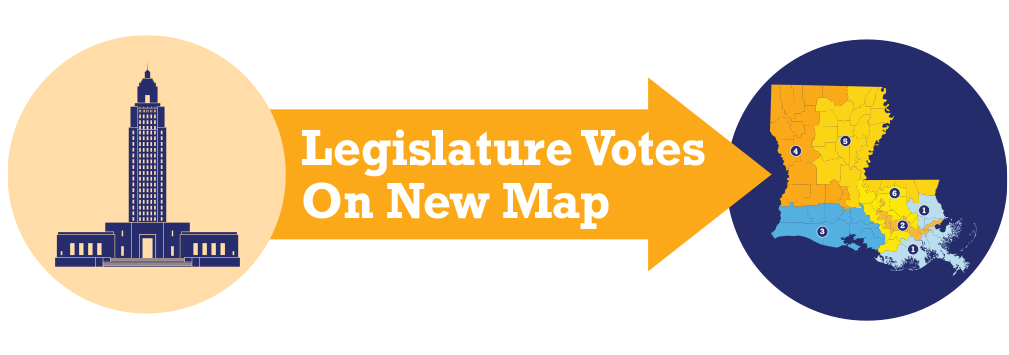
5
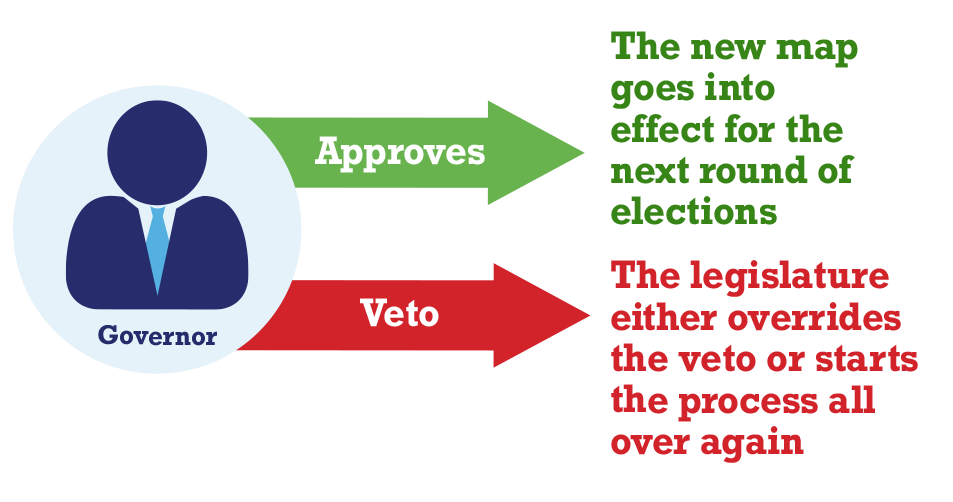
6
- Redistricting plays a critical role in who runs for office, who is elected, and how they vote once they’re in office.
- It’s one of the most important factors in determining who represents you and how they represent you.
who runs for office
who is elected
how they vote
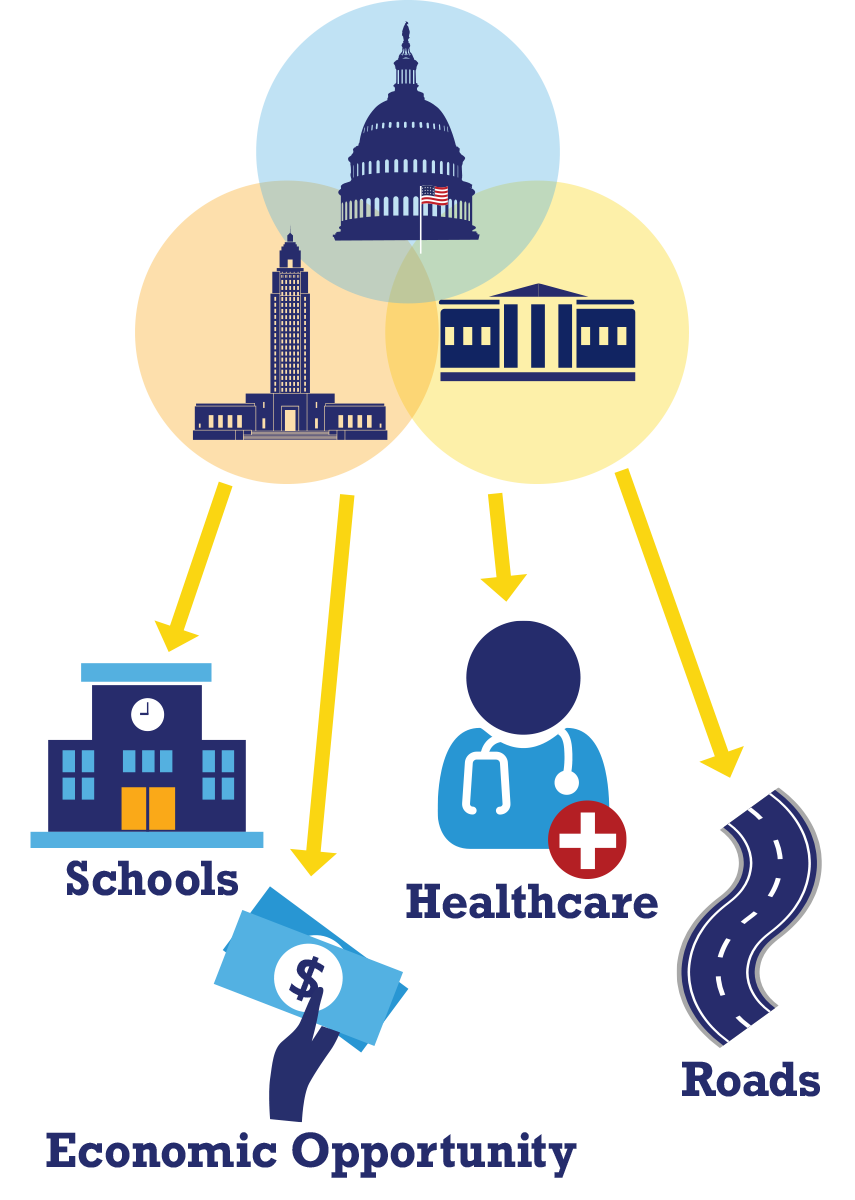
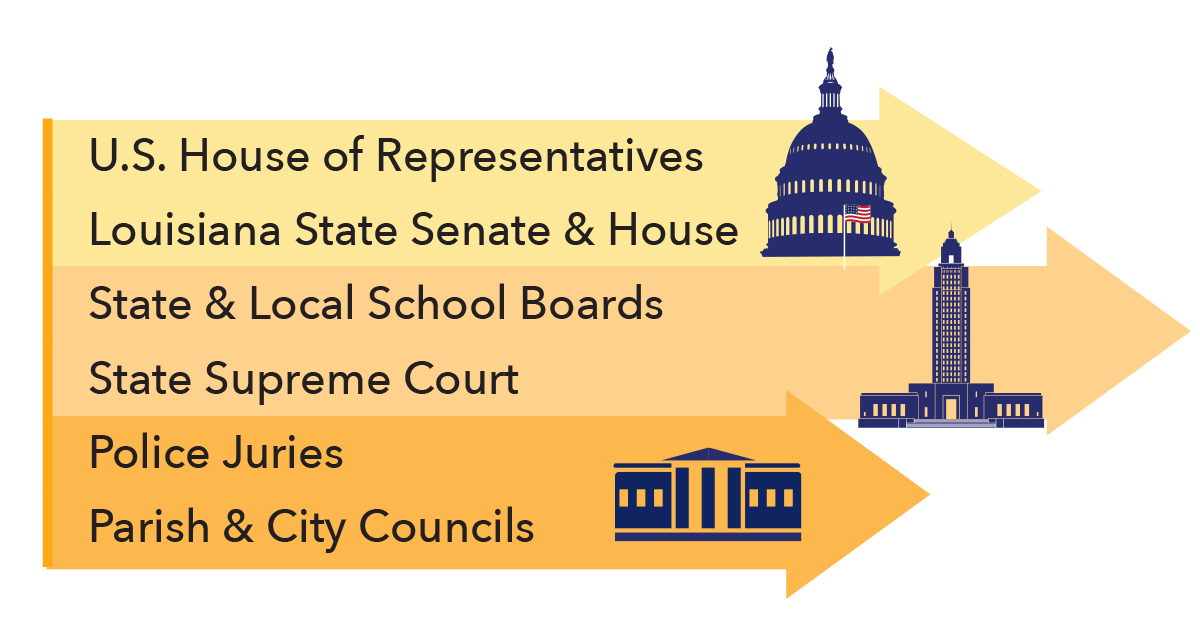
- Your local, state, and federal elected representatives make decisions that impact your everyday life, like economic opportunity, healthcare, schools, roads, and so much more.
- The makeup of a district can significantly influence how and whether elected officials respond to a community’s needs.
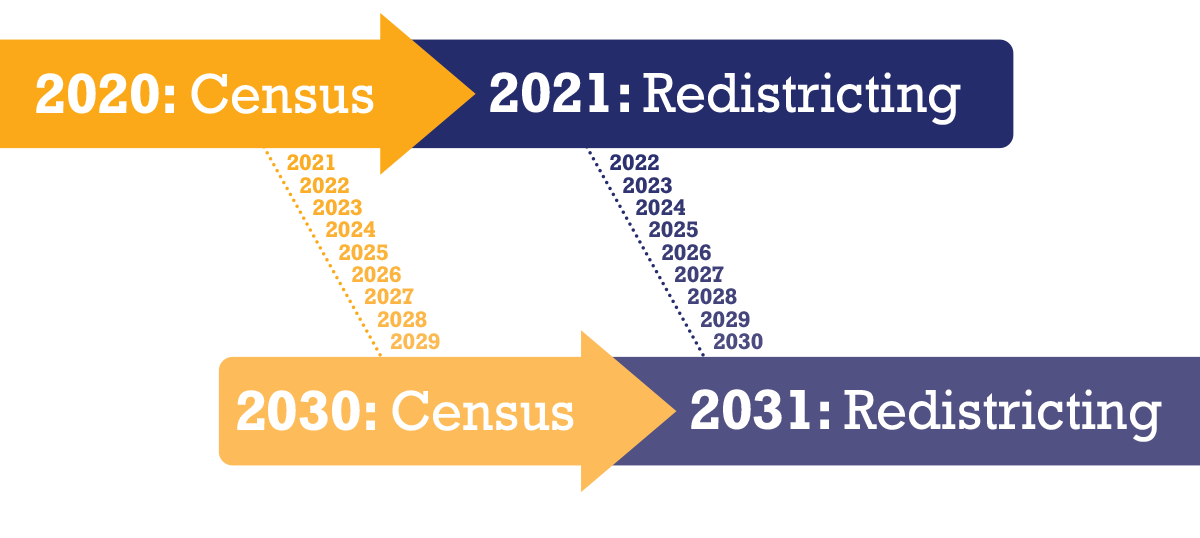
- Redistricting only happens once every 10 years, and the policy impact can last even longer. We can’t miss this chance to demand fair and representative districts.

Louisiana Legislature
- U.S. Congress
- State Senate & House
- State Supreme Court
- Board of Elementary and Secondary Education (BESE)
- Public Service Commission (PSC)

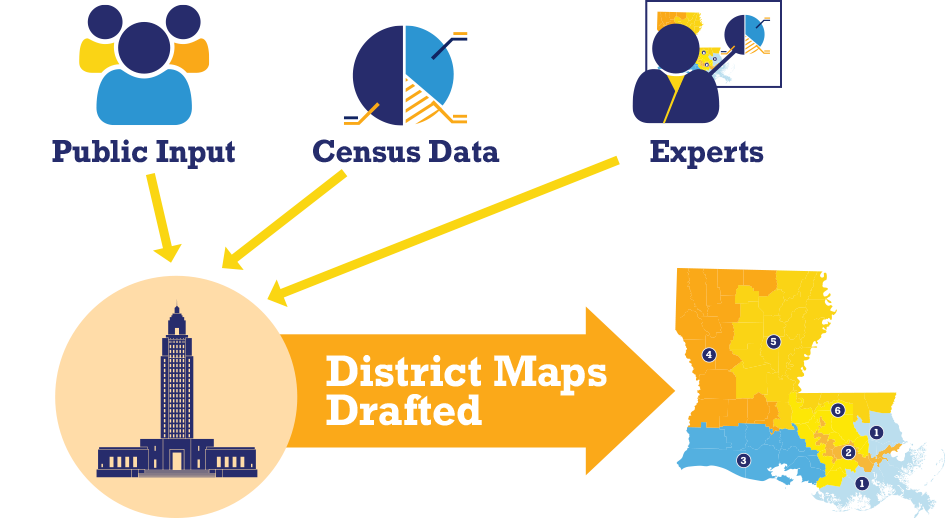
- The public plays a key role in determining how the redistricting process plays out and how the district lines are ultimately drawn.
- Submit comments during public redistricting hearings.
- Anyone can do it.

Local Governments
- City Council
- Parish Council
- Police Jury
- Judicial



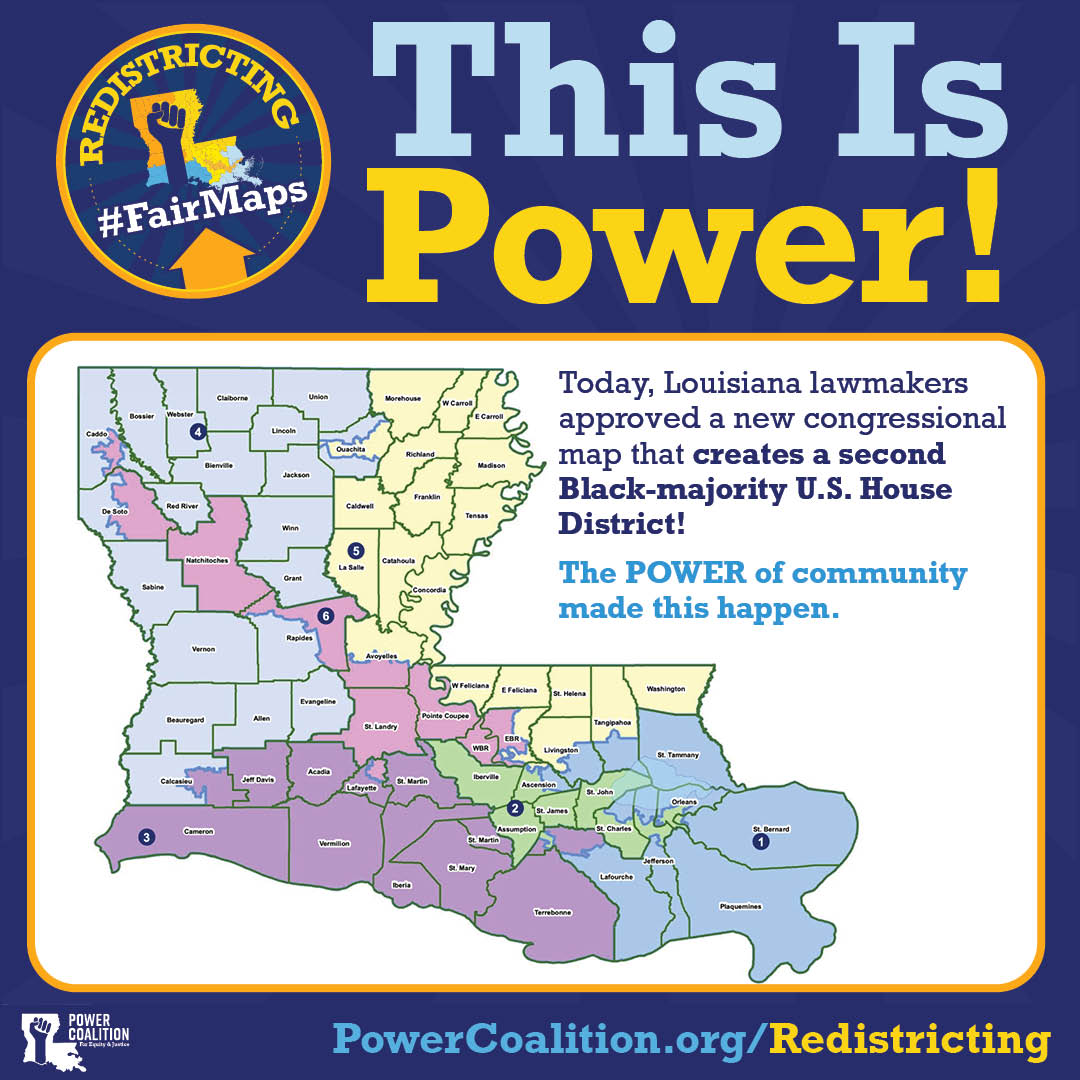

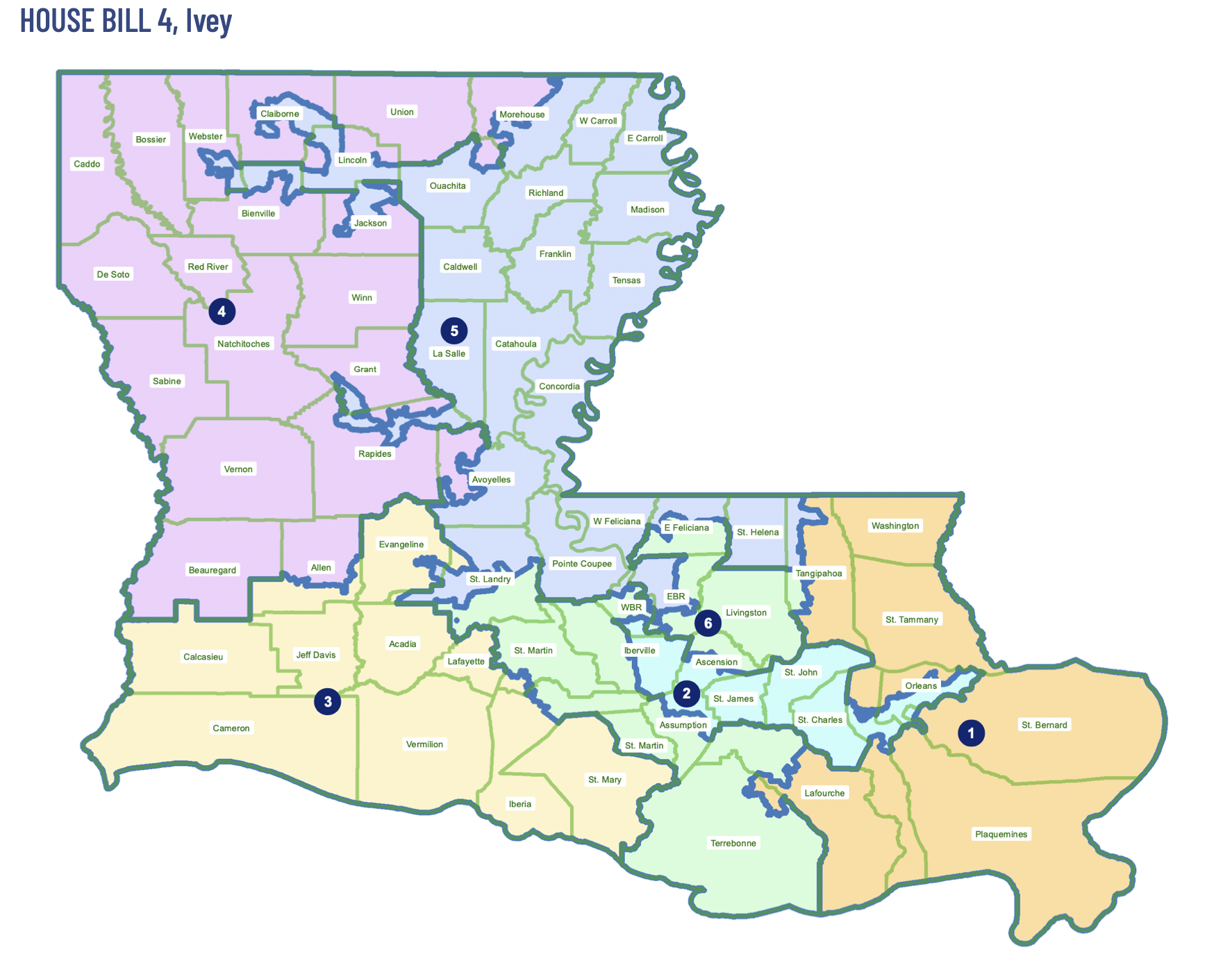
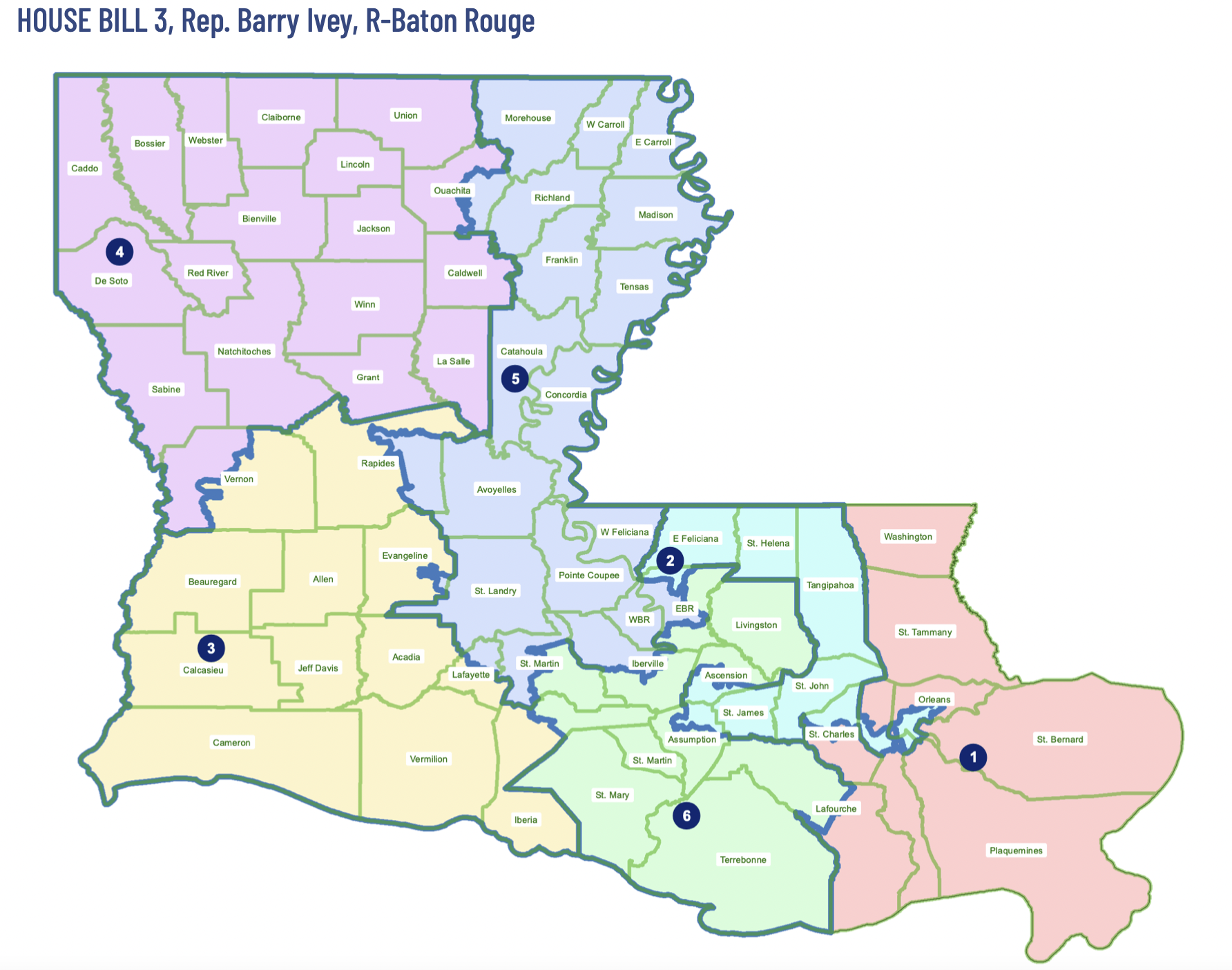
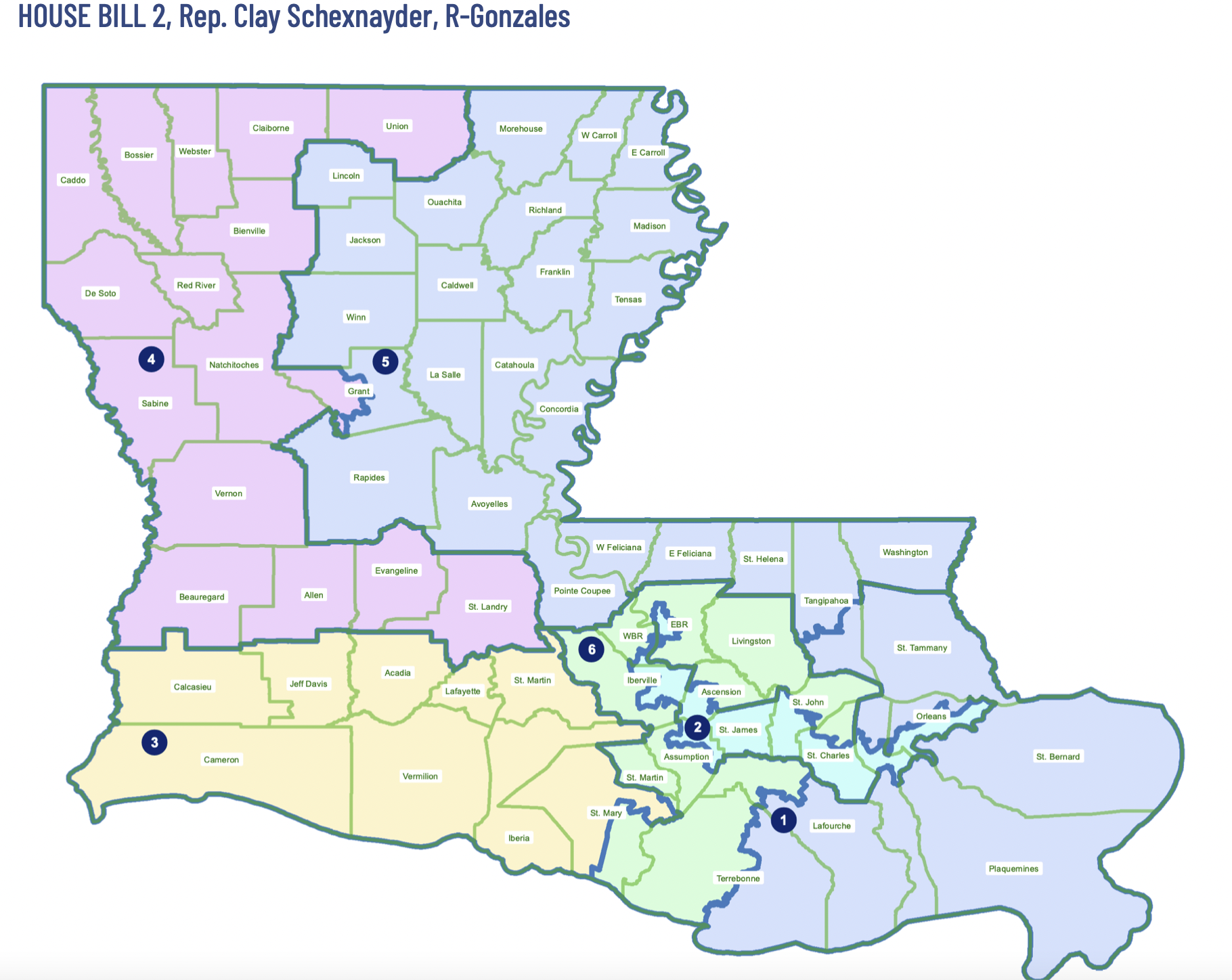
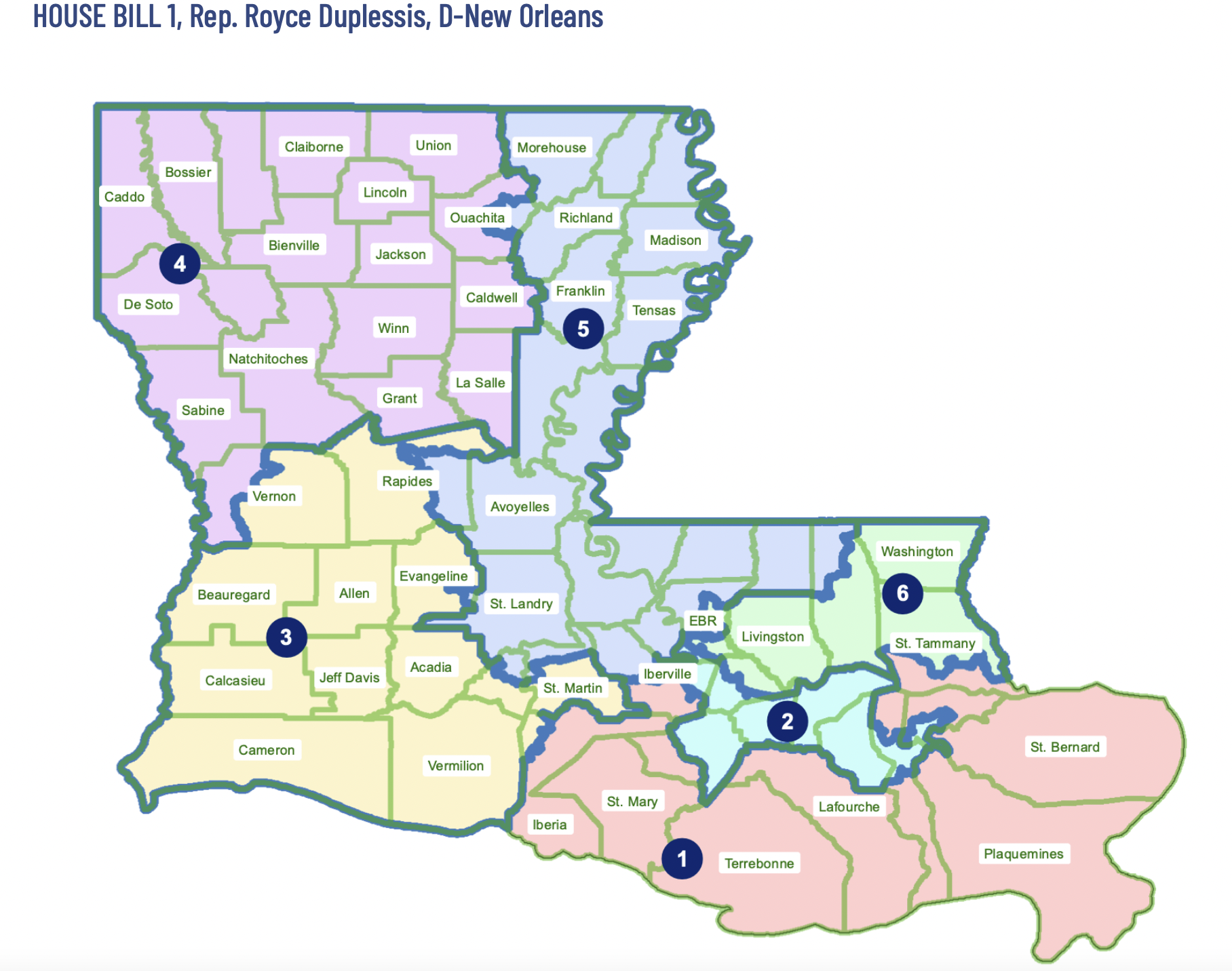
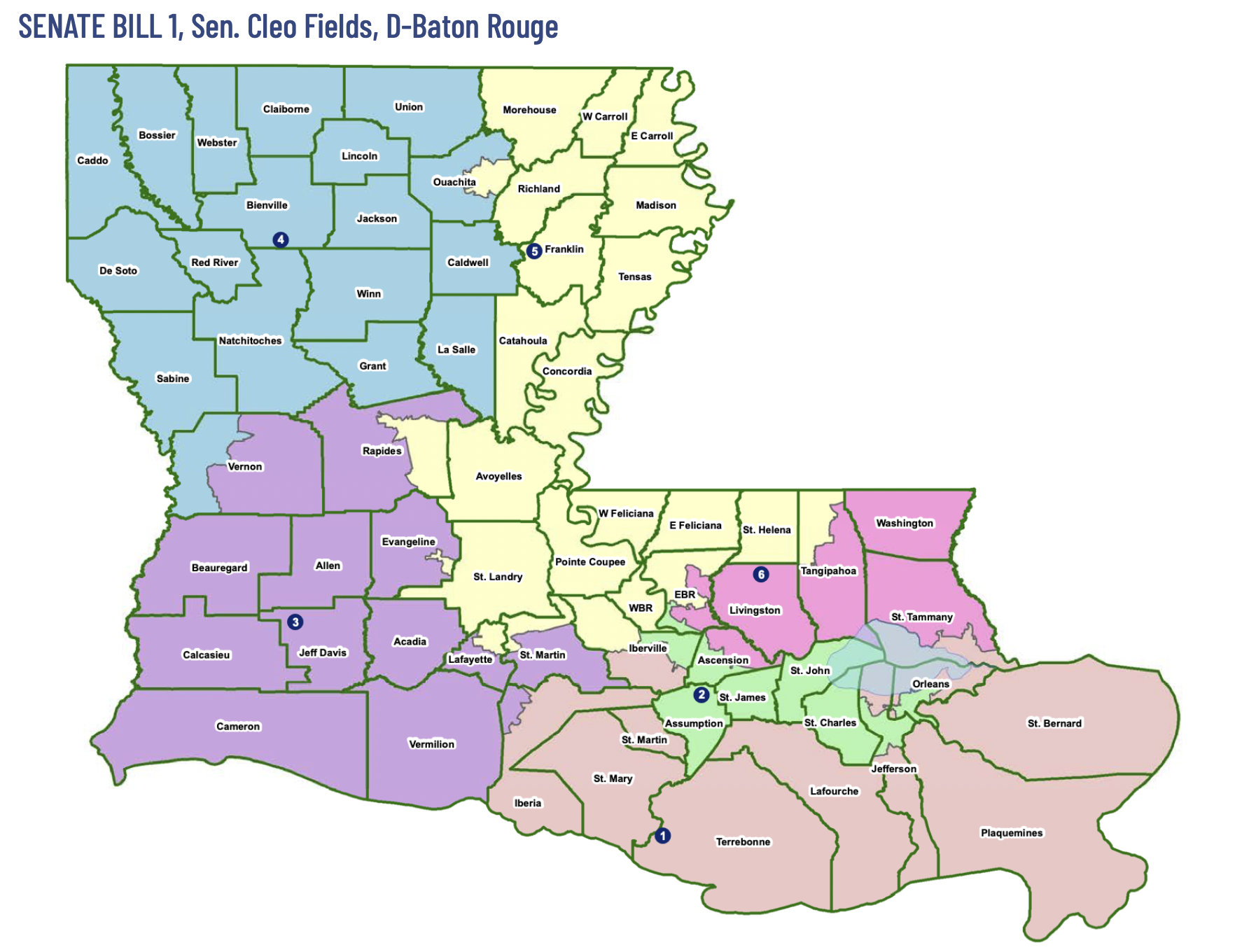 Click to View Map Larger.