

Power the count

WHO COUNTS SHOULD NOT BE UP FOR DEBATE.


Proposed rules for the 2030 Census could change who counts for representation, where people are counted, and how information about our communities is collected. These rules are not final.

WE'VE BEEN HERE BEFORE.

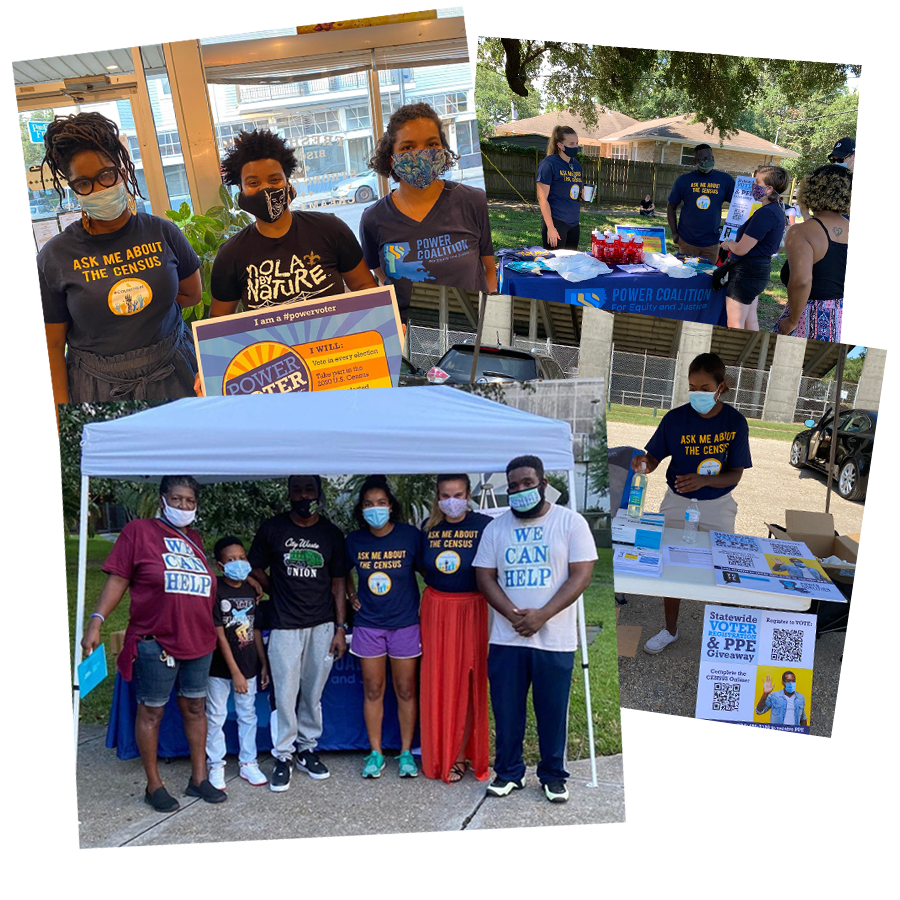
In 2020, Power Coalition launched Count Me In, organizing across Louisiana to make sure our communities were informed, reached, and counted.

We canvassed. We called and texted. We organized online. We trained community members. We partnered with churches and trusted community organizations. And we invested directly in organizations reaching hard-to-count communities

When the Census ended, the work didn't. We continued organizing around redistricting and representation.

THE CENSUS COUNTS US.
THE DATA DESCRIBES US.
THE MAPS HELP DETERMINE WHO REPRESENTS US.

That's why we're paying attention to the rules of the next count.
Image
OUR 2020 Count Me In Work

WHAT COULD CHANGE FROM 2020 TO 2030?

WHO COUNTS FOR REPRESENTATION

2020
Citizens and noncitizens living in the United States were included in the resident population used for representation.

PROPOSED 2030
Some foreign citizens would no longer be included when determining how many U.S. House seats a state receives.

Important: Being counted by the Census and being included in the number used for congressional representation are not necessarily the same thing.

RACE + ETHNICITY

2020
The Census form asked people about race and ethnicity.
PROPOSED 2030
The decennial Census form would no longer ask those questions. The Census Bureau could still collect race and ethnicity information through other sources and surveys.

WHERE YOU'RE COUNTED

2020
People were generally counted where they lived and slept most of the time.
PROPOSED 2030
New rules would change how “usual residence” is determined, including greater use of tax and other government records.

LOUISIANA KNOWS WHERE YOU LIVE ISN'T ALWAYS SIMPLE.

A hurricane can move you. College can move you. Housing can change. Families can live between homes.

A government record may have your address. That doesn't mean it always tells the whole story.

For Louisiana families who experience hurricanes, evacuations, temporary moves, and housing disruption, how the Census determines where someone lives matters.